

Building Bridges: State Schools, Universities, and the Future of Art History
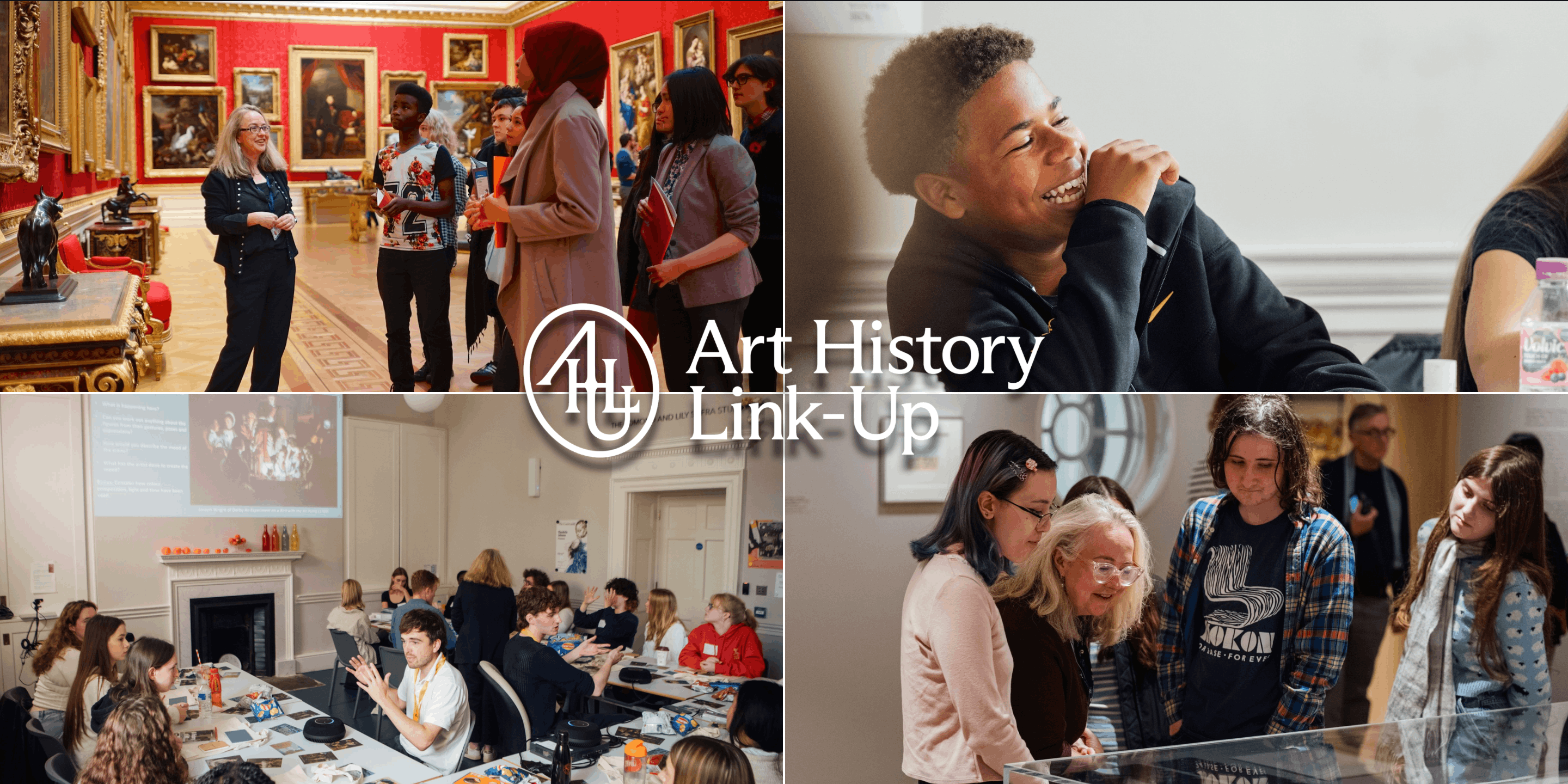
Art History Link-Up's guiding mission is to build bridges: our focus is on bridging the gap between school and university, between a young person's potential and their opportunities, and between art history and the diverse world we live in.
In April, I have the privilege of joining my colleagues, Rose Aidin, Founder and Chief Executive, and Ludo Amory, Education and Outreach Officer, in a workshop on themes at the very heart of that mission. Taking place on Thursday 9 April, from 15:30 to 17:00, at the Association for Art History's Annual Conference at the University of Cambridge, our session — Widening Access to Art History: Connecting Schools and Higher Education — will be participatory and built around knowledge-sharing and collaboration.
One of the most compelling threads running through our work is what happens to Art History Link-Up (AHLU) students after they leave us. Since 2020, over 20 AHLU alumni have been, or will be, studying Art History at the University of Cambridge — a remarkable statistic that speaks to the transformative power of access and opportunity. Inspired by this, and with the generous support of AHLU supporter Victoria Yanakova, we have launched a formal research project in collaboration with Professor Alexander Marr and the History of Art Department at Cambridge, We will be presenting some mid-point findings at the Conference and you can read more about the launch of the project here.
Our evaluation consultant Rozia Hussein is leading this work, which examines the correlation between AHLU alumni and their progression to art history in higher education — tracing university outcomes, subsequent career paths, and the lasting impact of our courses. Rozia is also evaluating our Introduction to Art History HPQ (Higher Project Qualification) courses, with Y9 and Y10 state students, bringing a consistent research lens across our programmes.
Our 90-minute workshop will begin by sharing the "how" and the "why" behind the Art History Link-Up model, providing concrete evidence of what works when trying to diversify the pipeline in the arts and creative sector. As part of this exploration, we will break into groups to tackle issues our field must address: How can we address emerging challenges in art history education, such as AI and digital access? How can we better embed diversity and inclusion in the study of art history? What new career paths exist for art history students, and how can these be made more accessible? And what gaps in the school curriculum could be addressed to better prepare young people for art history at university?
We see this session as a contribution to an ongoing conversation in our field and one with research, practice, and policy in close dialogue. Those bridges between state school and seminar room, between potential and opportunity, can only be built across disciplines and sectors, by collaboration.
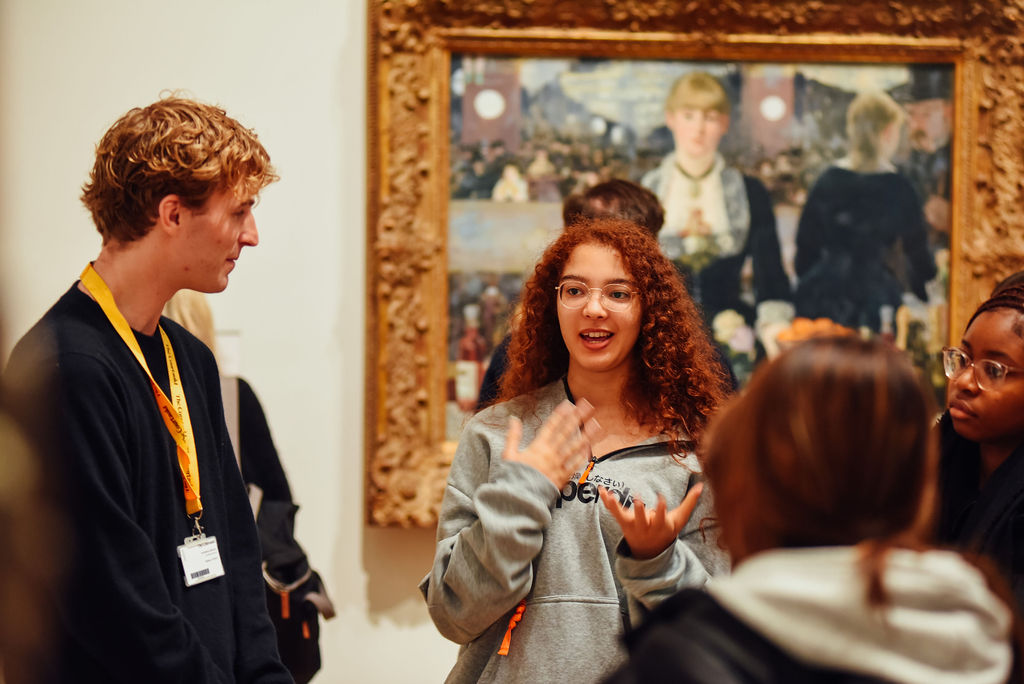
Since 2016, Art History Link-Up has evidenced that a student's background or geographical situation should not be a barrier to engaging with visual culture. We have seen young people from under-served communities discover, through our free accredited art history programmes, not only new ways of experiencing visual culture, but also how to articulate complex ideas, question narratives, and see themselves as part of cultural history. That transformation doesn't happen by accident. It requires intentional design, genuine commitment, and ongoing dialogue.We hope you will join Rose, Ludo, and me on 9 April at the AAH's conference at the University of Cambridge to lay foundations together for bridges into the future.
You can find the Association for Art History's 2026 Conference page here: https://forarthistory.org.uk/conference/2026-art-history-annual-conference/
Alessandra Cianetti, COO, AHLU
Related Articles


Art History is under threat
We believe art history should be for everyone, however fewer than 1% of state supported secondary schools offer Art History A Level. As a result, there is a lack of diversity in the arts sector and an increasing skills shortage. We are the only charity offering formal Art History teaching to school-aged students from all backgrounds. Your financial support will ensure that everyone has an opportunity to study art history: together we can transform the future of the arts.
